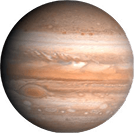
Jupiter: Evening — December, January, and February
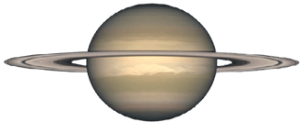
Saturn: Evening — December,
January and February. Low in
South-west to mid-February.
Moon Phases Key
New Moon
First Quarter
Full Moon
Third Quarter
Moon Phases
December
4
11
19
27
January
3
11
19
25
February
1
9
17
24
What’s Up?
Meteor Shower Excitement
Coming up, expect ample opportunities to revel in nature’s fireworks. There will be two major and six minor meteor showers in December, including the Geminid’s. January begins with a major meteor shower, the Quadrantids, with a minor to follow later in the month. After that, there will be a lull in meteor showers until mid-April. Although moonlight can be a spoiler, early winter nights will have potential to be graced with meteoric marvels.
Image credit: Jim Vajda
Space News
The anticipated Astrobotic’s Griffin Mission One (Griffin-1)
launch for December has been shifted to summer 2026. The
mission, which will also include the FLIP lunar rover, aims to
land near the lunar South Pole in an area called Mons Mouton
near the rim of Nobile Crater. This is part of NASA’s Commercial
Lunar Payload Services (CLIPS) initiative, a partnership with
private companies, and the second moon bound mission for
local company, Astrobotic. Pittsburgh will be once again on
the way to the moon!
How do I use the star chart? Hold it out in front of you with the direction you’re facing at the bottom of the chart. It works even better if you hold it above your head and look up at it.
Why are east and west switched? They are only switched because you’re used to looking at maps of the ground. Hold it above your head, and you’ll see the directions line up just right.