




Intense storms and record-breaking winds are becoming more common, and they’re hitting closer to home than ever before.

Scorpius the Scorpion, with its distinctive curved spine and stinger poised to strike, holds a large profile low to the southern horizon.

Brilliant Vega is the brightest of three stars that make up the Summer Triangle. The blue-white star is part of the constellation Lyra, the Harp.

On July 20, the world watched as Neil Armstrong and Buzz Aldrin stepped onto the surface of the Moon.

The following is a conversation with Dr. Welsh about her background and her expert perspective on the sensational dire wolf story.
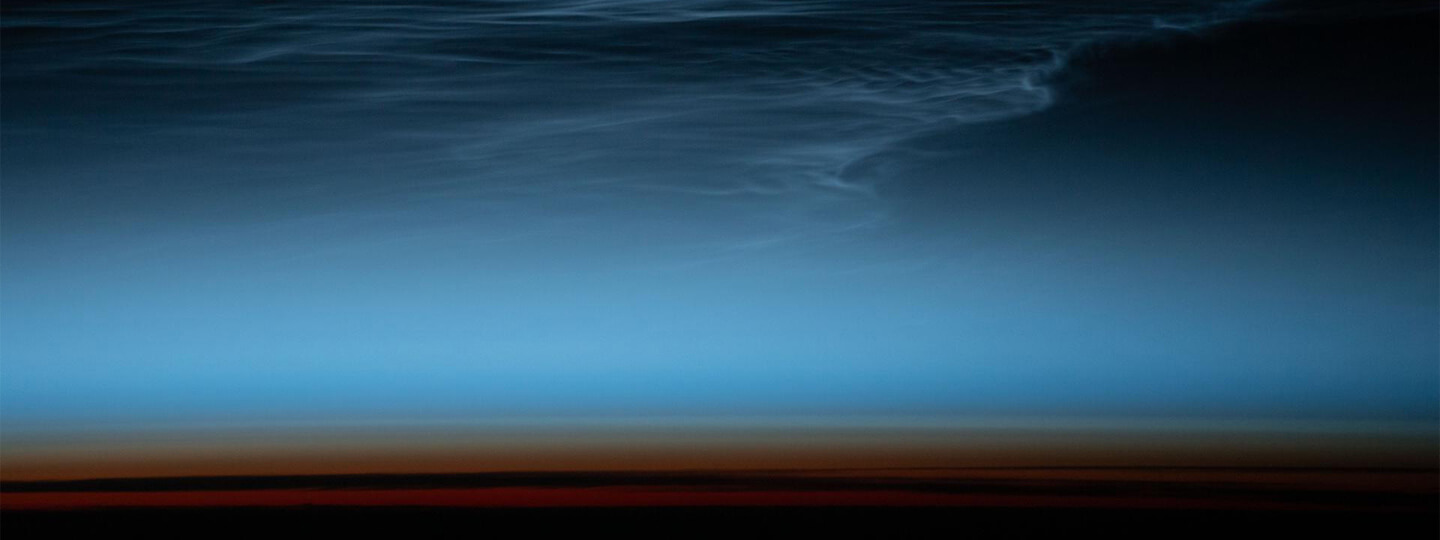
From May to early August, these ethereal clouds show their best displays thirty minutes after sunset or before sunrise.
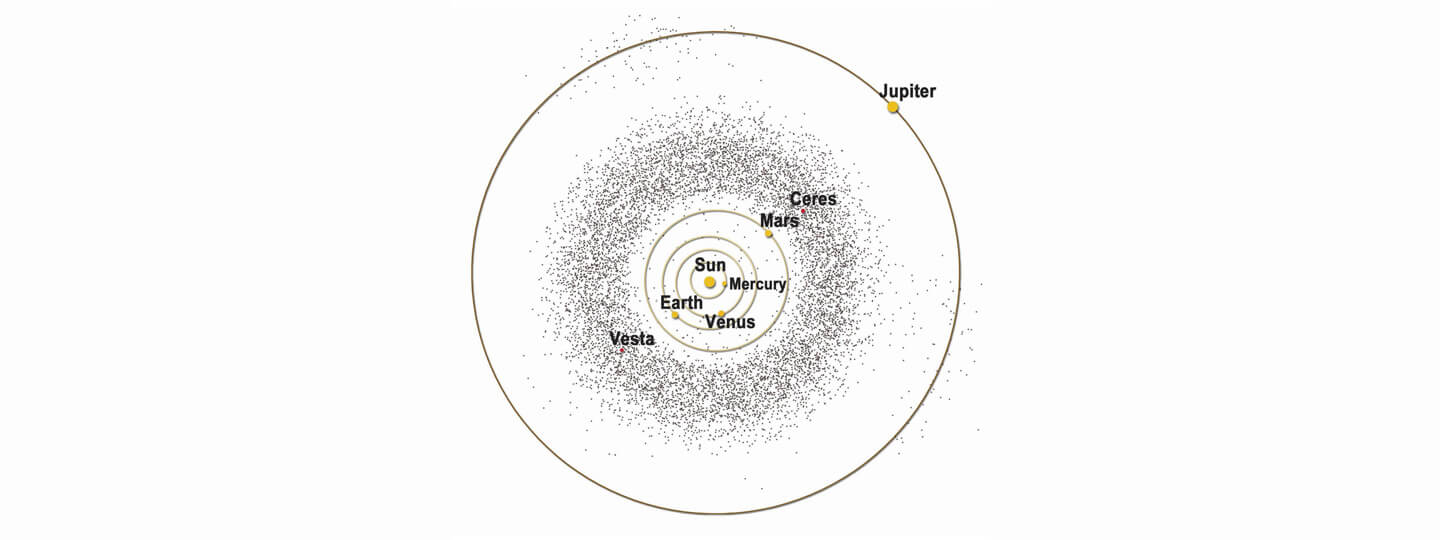
Tiny grains of particles race through our atmosphere, finding their way to Earth’s surface. Where do 100 tons of this space dust go?
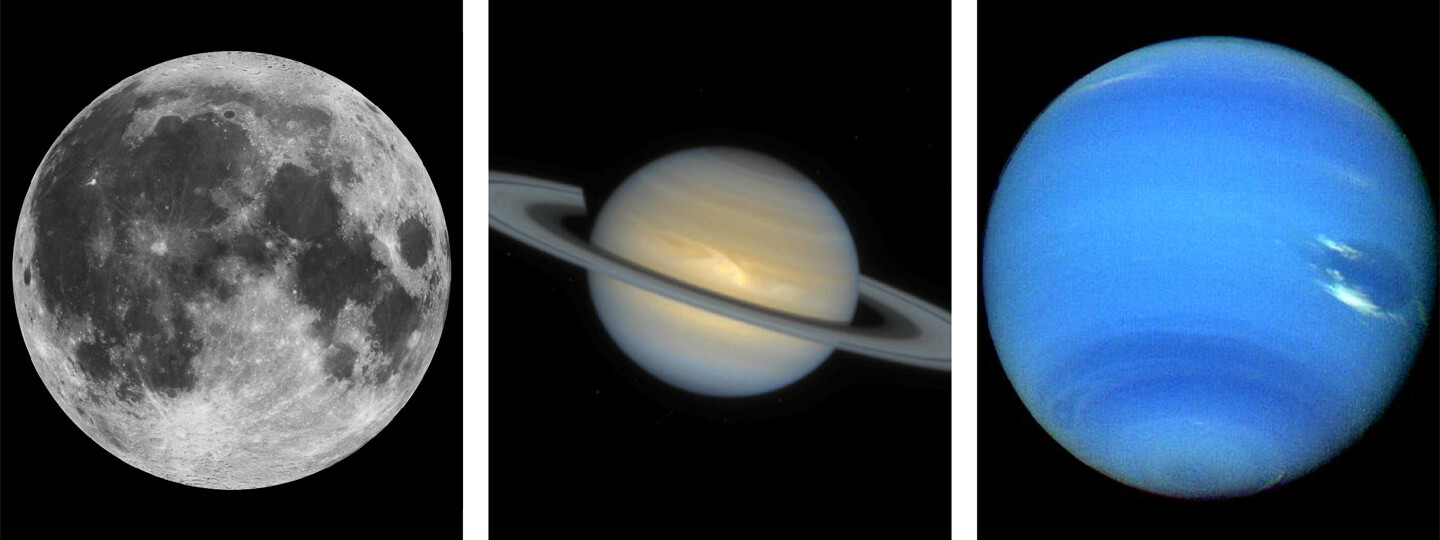
The Northern Hemisphere will experience the longest hours of daylight and shortest hours of night.