Astronomical Calendar & Star Chart Autumn 2026

Top Ten Skygazing Picks

Sept. 22 — Venus at brightest. September Equinox, 7:05 p.m. EST.
Sept. 25 — Uranus at opposition (binocular viewing) to right of Saturn
Sept. 26 — Full Harvest Moon
Oct. 4 — Saturn at opposition
Oct. 6 — Lunar occultation of Jupiter
Oct. 21 — Orionid meteor shower
Oct. 24 — Saturn-Moon conjunction
Oct. 27 — Moon-Pleiades conjunction, Uranus just below (binocular viewing)
Nov. 17 — Leonid meteor shower.
Nov. 30 — Conjunction of Moon, Jupiter, Regulus and Mars. Pre-dawn.

Summer Planet Visibilities

Mercury

Mercury
Evening — Early October
Morning — Mid-November

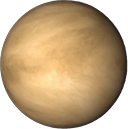
Venus

Venus
Evening — September
Morning — November

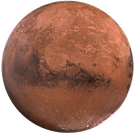
Mars

Mars
Morning — September, October, November

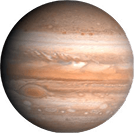
Jupiter

Jupiter
Evening — June
Morning — September, October, November

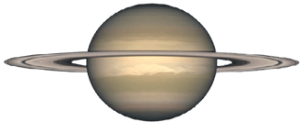
Illustration of Saturn

Saturn
Evening — Late September, October, November

Moon Phases Key

New Moon

New Moon icon

First Quarter

First Quarter Moon icon

Full Moon

Full Moon icon

Third Quarter

Third Quarter Moon icon

Moon Phases

Sept.
4
10
New Moon icon
18
First Quarter Moon icon
26
Oct.
3
10
New Moon icon
18
First Quarter Moon icon
26
Nov.
1
9
New Moon icon
17
First Quarter Moon icon
24

What’s Up?

Meteor Shower Excitement

Continuing meteor viewing from October’s Orionids, are November’s Leonid’s, on Tues., Nov. 17. Best viewed after midnight, go to a dark sky for a steady stream of about 15 swiftly moving meteors per hour. This year the Leonid’s will have an early touch of Moon interference, with the Moon phase at waxing gibbous, but bring binoculars if observing near dawn. The Moon, Jupiter, Mars and the bright star of Leo, Regulus, are gathering closer together, meeting in a beautiful pre-dawn conjunction, on Mon., Nov. 30.

Meteor shower

Image credit: Credit: NASA, Bill Ingalls

Space News

Jupiter will cycle into a series of lunar occultations beginning Tues., Sept. 8, concluding on Mon., Nov. 30. This can’t miss rare occurrence will be most visible on Tues., Oct. 6. A lunar occultation, when the Moon blocks the view of a celestial object, happens often with stars but rarely with the largest planet in the solar system. Jupiter, the fourth brightest object in our sky, will disappear behind the Moon, a waning crescent, at 3:20 a.m. EST, and reappear about an hour later. Before robotic spaceflight, an occultation was one of the best ways to study the Jovian moons, atmosphere and cloud belts.

Credit: NASA, JPL, University of Arizona

How do I use the star chart?
Hold it out in front of you with the direction you’re facing at the bottom of the chart. It works even better if you hold it above your head and look up at it.

Why are east and west switched?
They are only switched because you’re used to looking at maps of the ground. Hold it above your head, and you’ll see the directions line up just right.